




Why 2026 raises the bar on event technology event planner
Personalization
The first is AI moving into the attendee experience. Personalized agendas, AI matchmaking that suggests who to meet, chatbots that answer `where's my session` without a help desk — these are becoming the expectation, especially at large conferences. Done right, they lift engagement; done as a bolt-on, they annoy. And like anywhere else, an attendee assistant has to be grounded in the real agenda and venue data, not guessing — invent a room number for a keynote and you've created a stampede, not a convenience.
Hybrid
The second is that hybrid and virtual are permanent, not a pandemic hangover. Audiences now expect a real remote option — livestreams, virtual networking, on-demand replays — running alongside the in-person event, not as a webcam afterthought. That's a genuine engineering surface: reliable streaming, a virtual attendee experience that isn't second-class, and one data model that treats in-person and remote attendees as one audience.

What actually changes when the year rides on two moments
Ticketing concurrency that never oversells the same seat
The defining event-tech problem is that two people must not buy the same seat in the same instant. That means atomic seat-reservation with short-lived holds (a seat locked while someone checks out, released if they don't), idempotent payment so a nervous double-click doesn't double-charge, and — for genuinely hot on-sales — a virtual waiting room that queues users fairly and admits them at a rate the system can actually serve, instead of letting a hundred thousand people hammer the checkout at once. This is the same correctness-under-concurrency discipline that decides whether any high-stakes platform holds up.
Check-in that works on the venue's worst wifi
The doors moment is an offline problem disguised as a scanning problem. Conference and venue connectivity is notoriously bad exactly when a thousand people arrive at once, so check-in apps have to be offline-capable — validate a QR/barcode ticket locally, queue the scan, and sync when the connection returns — rather than spinning on a dead network while a queue builds. An organizer's nightmare is a line at the door because the scanner needs a signal it doesn't have — and it also means handling the edge cases gracefully: a ticket already scanned, a transfer done at the last minute, a refund that should block entry, all resolved without holding up the queue behind them.
Hybrid delivered as one audience, not two systems
Running in-person and virtual as separate stacks doubles the work and splits the data. The engineering move is one platform, one attendee model, with streaming (HLS for scale, WebRTC where real-time interaction matters) and virtual networking built in — so sponsorship, analytics, and engagement span both audiences instead of living in two disconnected tools.
Grounded AI and real integrations
Where AI helps — the attendee assistant, matchmaking, personalized agendas — it has to draw on the real event data, the retrieval-grounded approach behind production AI assistants. And the platform has to exchange data cleanly with the CRM, marketing, and payment systems an organizer already runs — the kind of AI-agent-and-systems integration that turns a registration list into a working marketing and follow-up engine.
A straight word on event case studies

A clearer way for clients to explore advisory services and investment solutions.
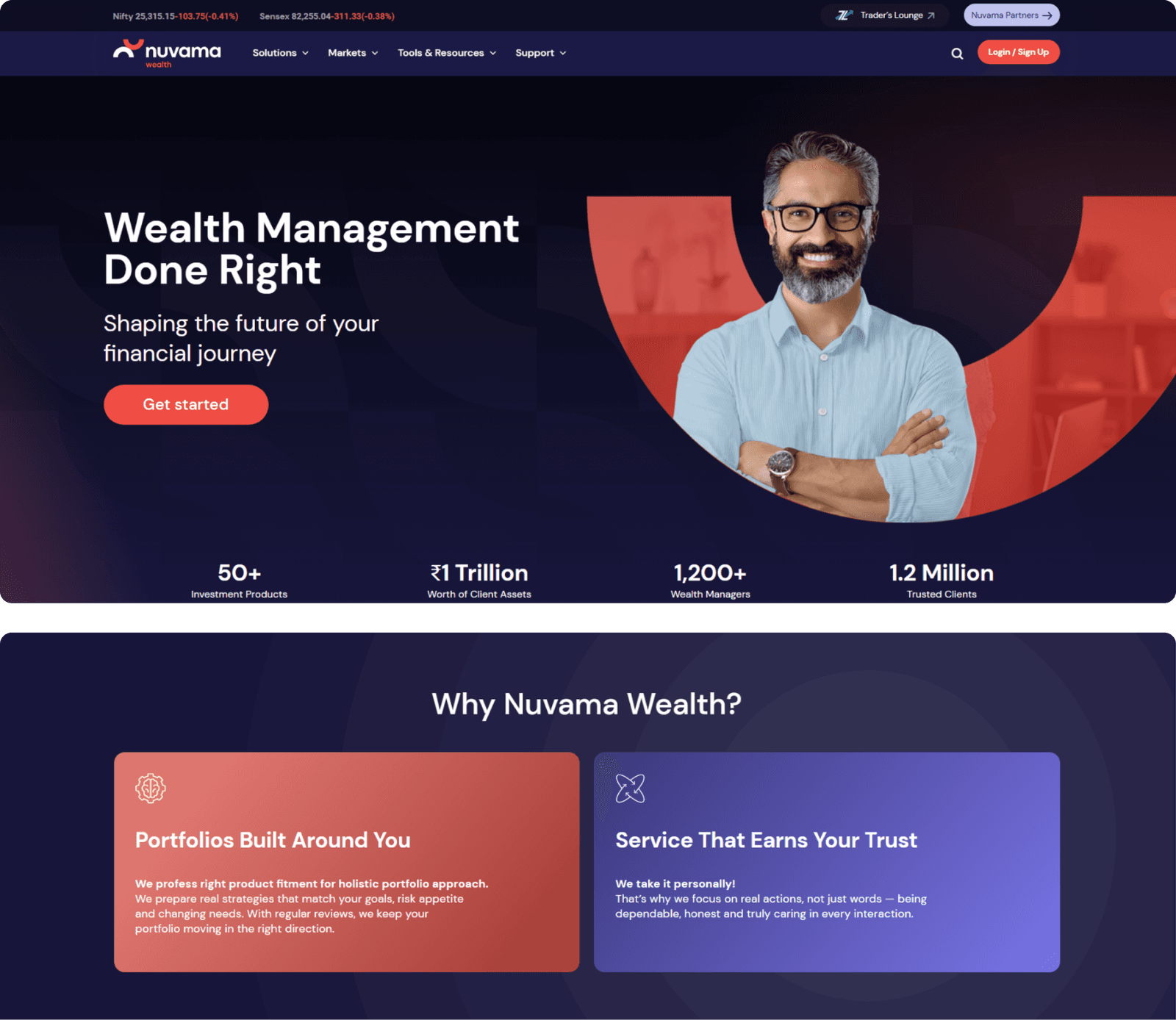
What we did for Nuvama Wealth
 Structured service architecture for advisory offerings
- Separate advisory and portfolio sections
- Research listings organised for quick scanning
- Clear adviser contact routes on every page
- Office network presented by region
- Responsive layouts across desktop and mobile

Presenting a full spend management and payments suite to Indian finance teams.
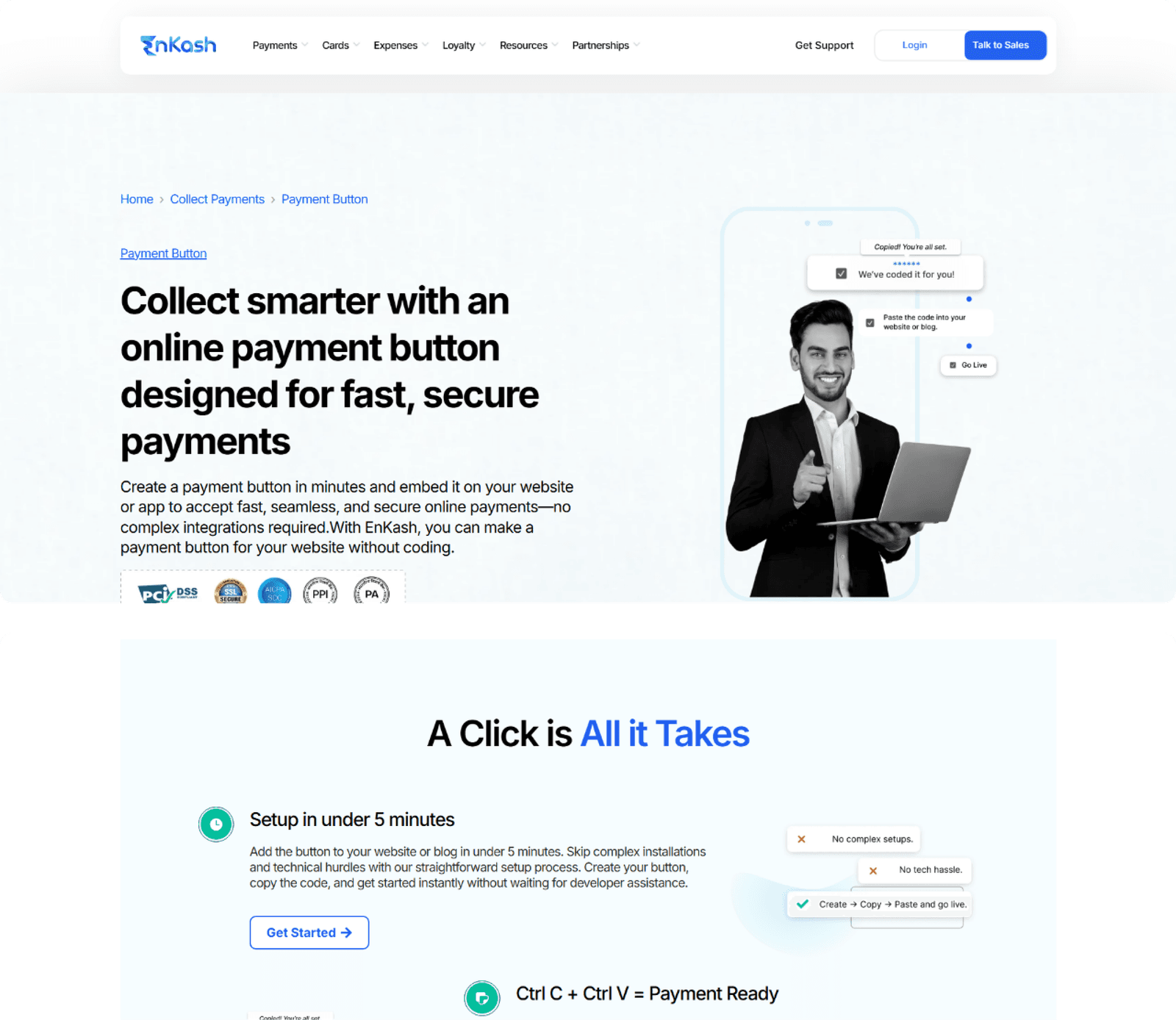
What we did for Enkash
- Product suite split into separate pages
- Solution routes organised by business role
- Corporate cards and expense pages structured clearly
- Payables and collections given dedicated sections
- Demo requests reachable from every screen
- Responsive layouts across desktop and mobile
How Moonstack approaches event management software development
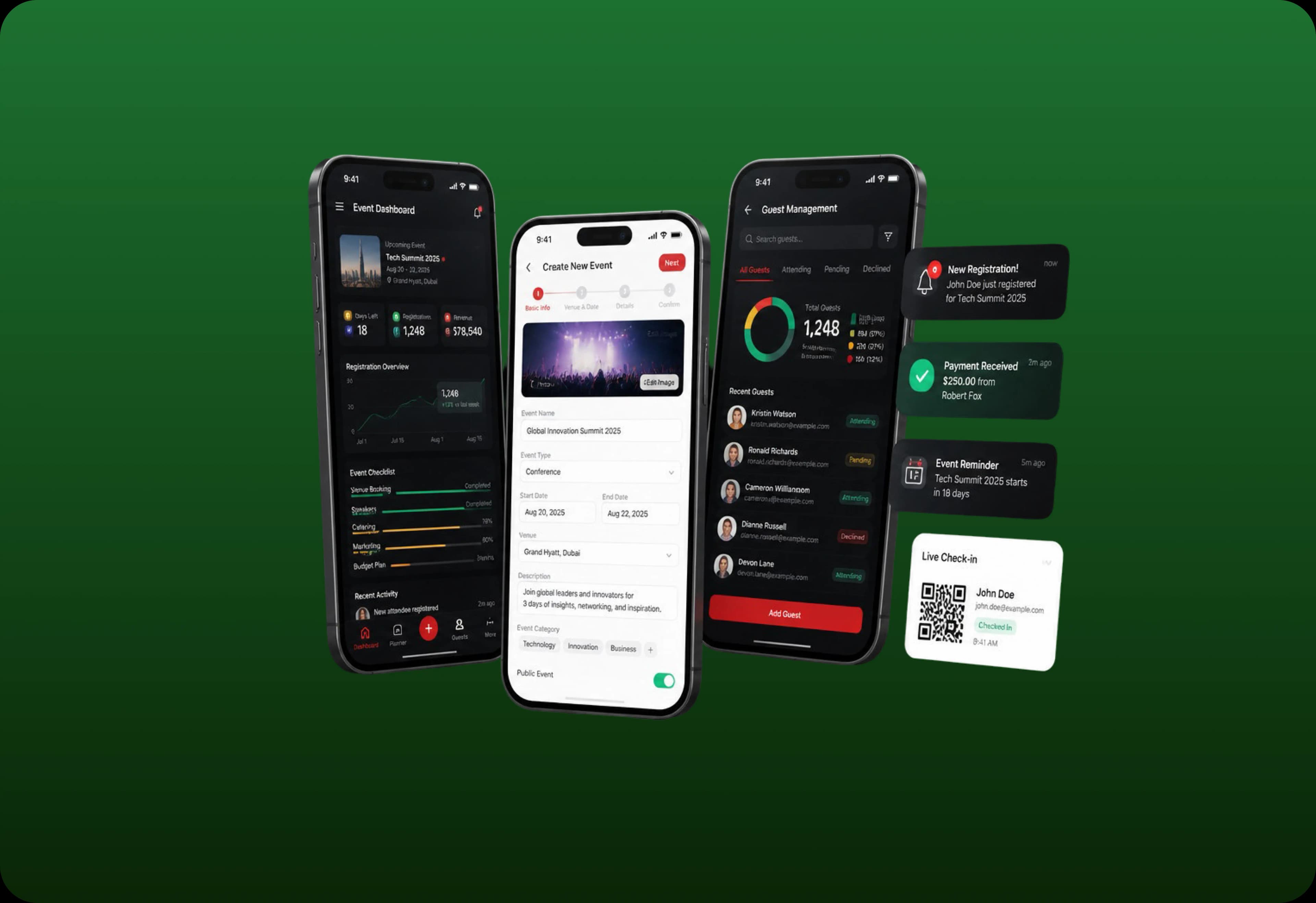
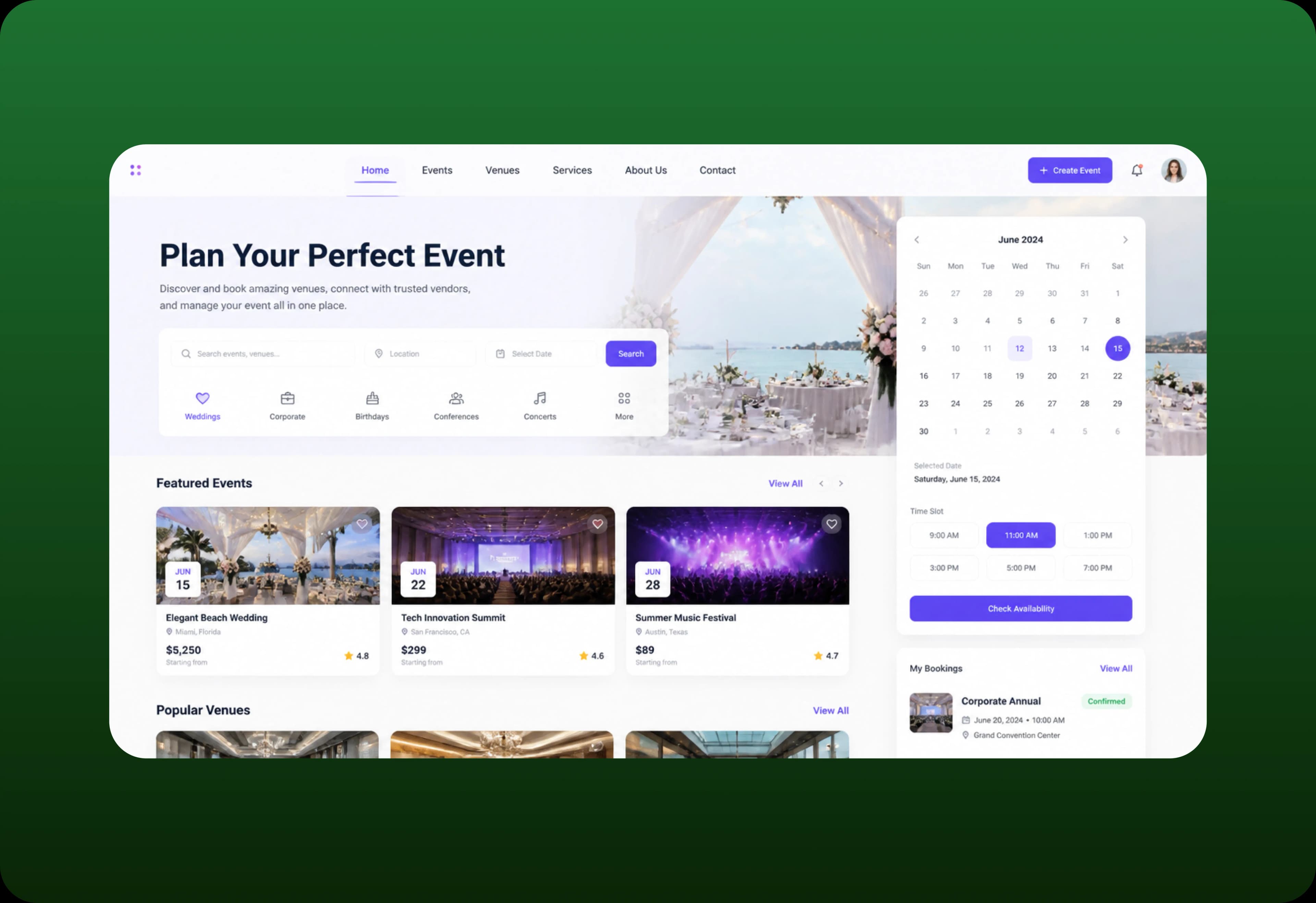
For event organizers and event-tech teams we focus on the platform and the attendee experience, engineered for the two moments that matter.On the platform side, we build registration, ticketing, and event-operations systems on foundations designed for the spike — seat-reservation concurrency, idempotent payments, and waiting-room queuing where a hot on-sale demands it. That's core web design and development work extended with the event non-negotiables, and when the need is a fast, robust public event or ticketing site, that's our website development practice. On mobile, we build attendee and check-in apps (one React Native codebase across iOS and Android) that stay usable offline at the door. And on AI, we add grounded attendee assistants and matchmaking that draw on the real agenda.
Healthcare
E-Commerce
Travel and Hospitality
Education and EdTech
Logistics & Supply Chain
SaaS & Technology
How Moonstack approaches event management software development
For event organizers and event-tech teams we focus on the platform and the attendee experience, engineered for the two moments that matter.On the platform side, we build registration, ticketing, and event-operations systems on foundations designed for the spike — seat-reservation concurrency, idempotent payments, and waiting-room queuing where a hot on-sale demands it. That's core web design and development work extended with the event non-negotiables, and when the need is a fast, robust public event or ticketing site, that's our website development practice. On mobile, we build attendee and check-in apps (one React Native codebase across iOS and Android) that stay usable offline at the door. And on AI, we add grounded attendee assistants and matchmaking that draw on the real agenda.

Talk to us about your legal or compliance project
- Scalable Ticketing & Registration
- High-Traffic On-Sale Performance
- Fast Attendee Check-In
- QR Code & Digital Ticket Validation
- Hybrid Event Management
- Virtual & In-Person Audience Integration
- Live Streaming & On-Demand Sessions
- Real-Time Attendee Analytics
- Event Mobile App
- Custom Event Strategy
Frequently Asked Questions.
Everything you need to know about our solutions