



Why 2026 raises the bar on fintech, not just the hype
Auditability
The first is agentic AI meeting the auditability wall. AI copilots for finance — reconciling transactions, answering `why did this charge fail,` drafting a compliance summary — are the fastest-moving applications in the sector. But finance is the one domain where a confident wrong answer is unacceptable, so every AI action has to be grounded in real data, cite its source, and leave an audit trail a regulator could follow. An ungrounded chatbot that invents a balance or a policy isn't a feature; it's a liability. The right pattern is retrieval-augmented generation over your actual ledgers and policy documents, paired with a human checkpoint for anything that touches money — the same retrieval-grounded approach behind production AI chatbots, and the discipline we apply when putting AI agents into finance and enterprise systems.
Compliance
The second, treated as a footnote by generic vendors, is that compliance is architecture, not paperwork. PCI-DSS governs how you handle card data (the correct answer is usually to never store a raw card number — tokenize and let a certified processor hold it). SOC 2 governs your security and operational controls. In India, RBI guidelines and the DPDP Act apply; in Europe, PSD2 and open-banking rules. None of this is a review you pass before launch — it shapes your data model, your logging, your vendor choices, and your infrastructure from the first sprint.

What actually changes when you build for finance
Money movement that's correct under retries and load.
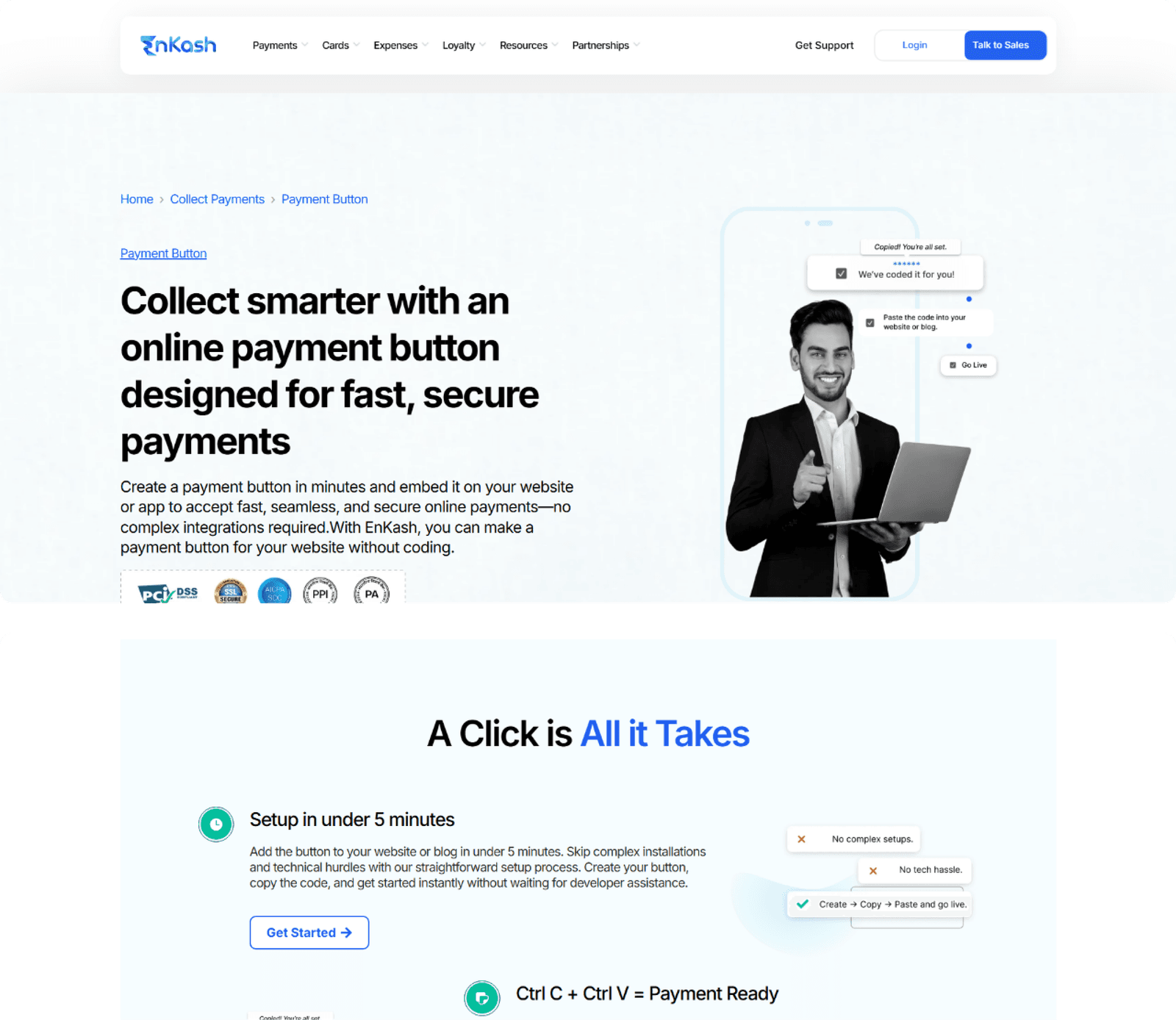
The defining fintech problem is that operations must be exactly-once even when the network isn't. A payment API called twice because a mobile client retried on a timeout must not charge twice — that's what idempotency keys are for, and getting them right is non-negotiable. Underneath, a double-entry ledger and automated reconciliation are what let you prove, at any moment, that the books balance. On a spend platform like the one we built for EnKash, the approval and reimbursement workflows exist precisely because correctness and auditability beat cleverness — a wrong figure there is a compliance incident, not a UX bug.
Every number is traceable to its source
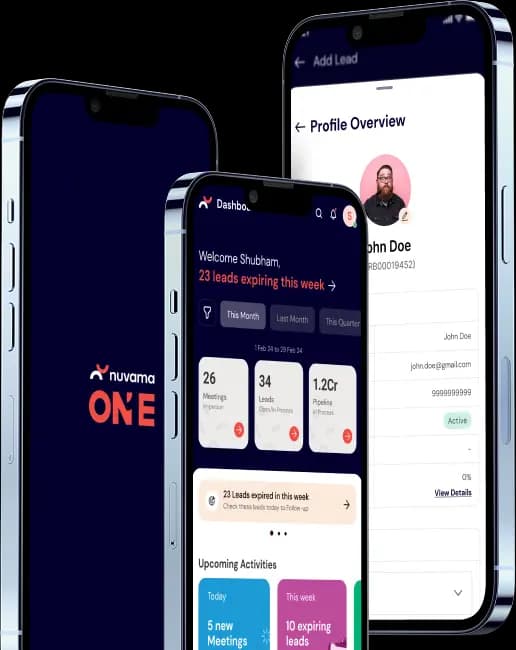
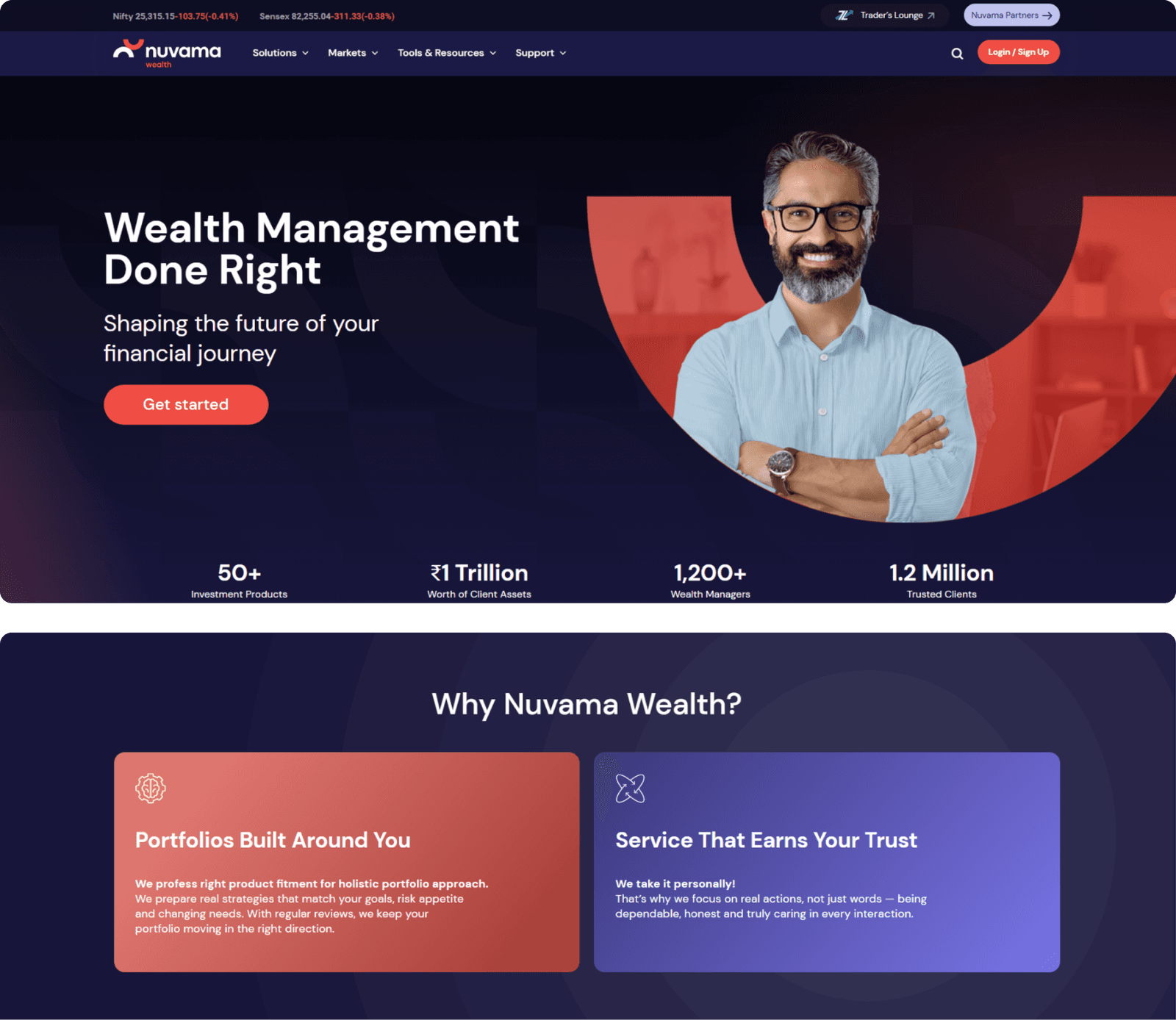
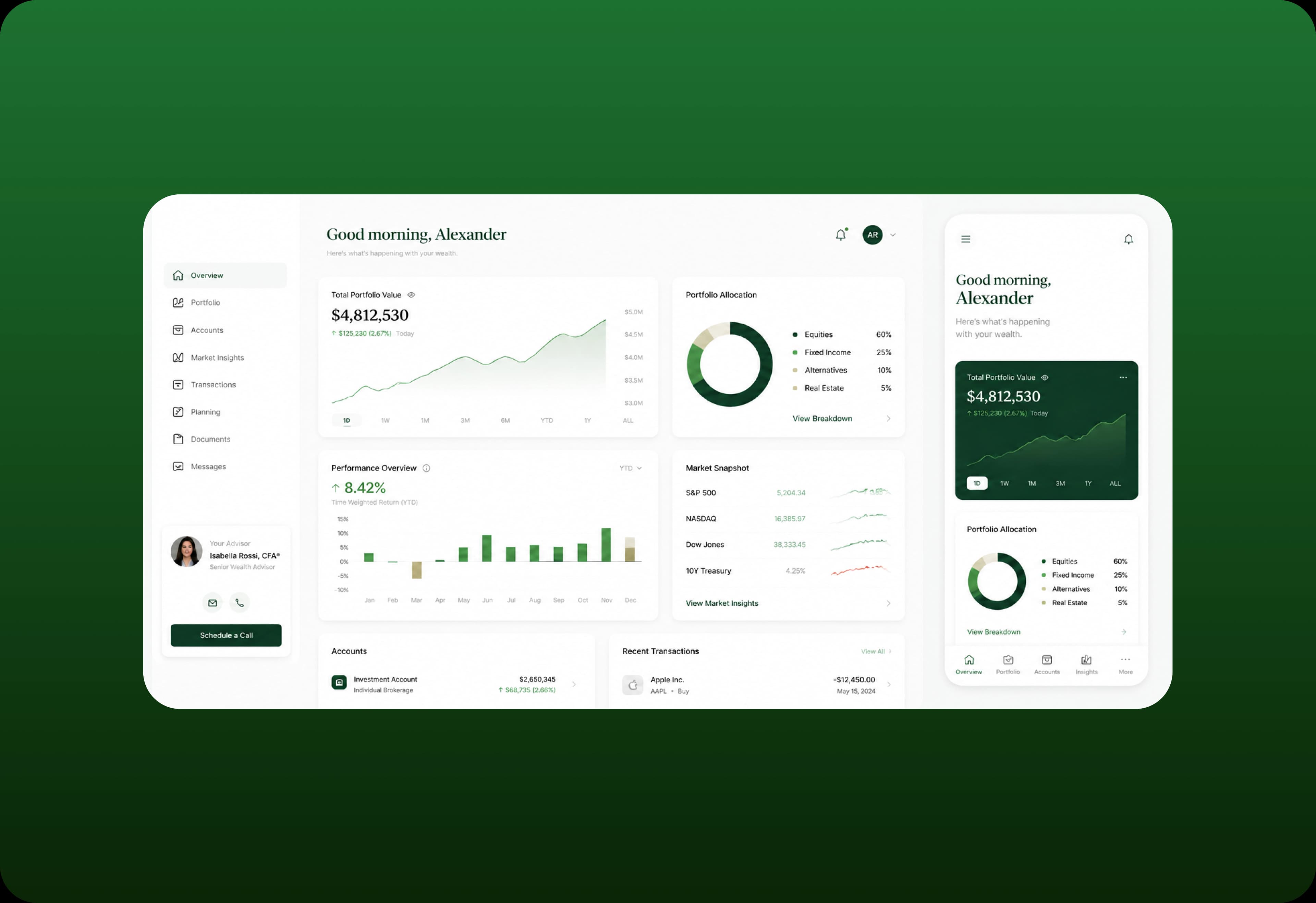
Finance runs on trust in the figure, and that trust is engineered. Every value a dashboard surfaces should be reconstructable from its inputs, because the first time a number looks surprising, someone senior — or an auditor — will ask where it came from, and `the system computed it` is not an answer that survives that room. Building investment-tracking and portfolio dashboards for Nuvama Wealth drove this home: wealth clients are audited, so every number has to be explainable and traceable back to its source, which changes how you log and present automated output from the start.
Security as a first-class concern, not a hardening pass
Encryption at rest and in transit, tokenization of sensitive data, granular least-privilege access, immutable audit logs, and maker-checker controls on sensitive actions. These aren't features you add at the end — they're how the system is shaped, because a finance platform that leaks or can't produce an audit trail has failed at its core job regardless of how good the product is.
Reliability when it's a payday, not a Tuesday
Finance traffic spikes — salary runs, tax deadlines, festival spending. A platform that's fine on an average day and buckles at month-end has failed at the moment that matters most. That means caching, queueing, and payment/ledger flows that stay correct under concurrency, so hundreds of simultaneous transactions each settle exactly once.
Fintech work we've delivered

A clearer way for clients to explore advisory services and investment solutions.
What we did for Nuvama Wealth
 Structured service architecture for advisory offerings
- Separate advisory and portfolio sections
- Research listings organised for quick scanning
- Clear adviser contact routes on every page
- Office network presented by region
- Responsive layouts across desktop and mobile

Presenting a full spend management and payments suite to Indian finance teams.
What we did for Enkash
- Product suite split into separate pages
- Solution routes organised by business role
- Corporate cards and expense pages structured clearly
- Payables and collections given dedicated sections
- Demo requests reachable from every screen
- Responsive layouts across desktop and mobile
Finance Solutions Built for Your Industry
Our generative AI development services are not one-size-fits-all. We build industry-specific solutions that account for the compliance requirements, data structures, user expectations, and competitive dynamics of your market.
Healthcare
E-Commerce
Travel and Hospitality
Education and EdTech
Legal & Compliance
Logistics & Supply Chain
SaaS & Technology
How Moonstack approaches fintech software development
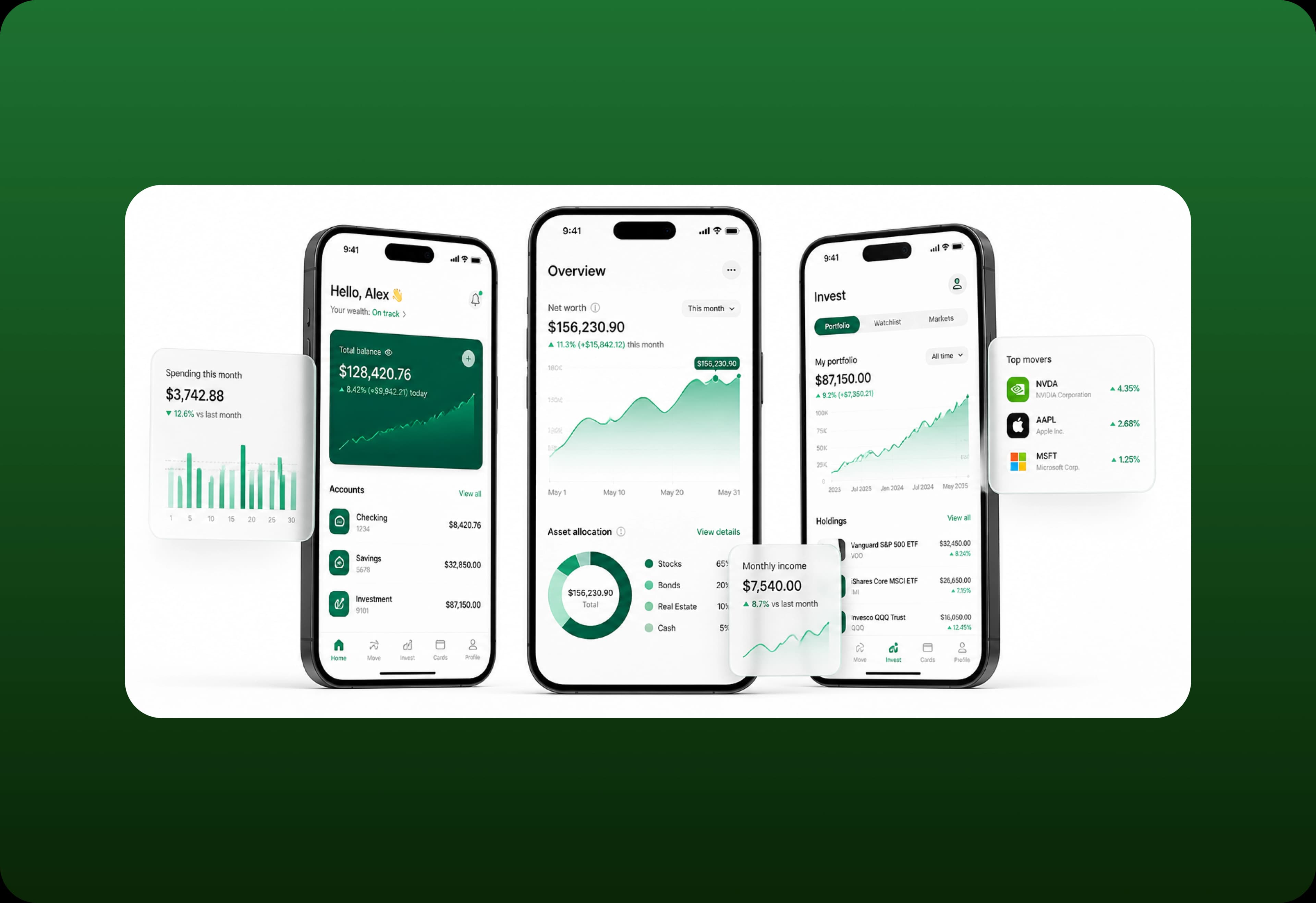
For finance teams we focus on the platforms that carry the value — payments, expense, and wealth systems — plus the grounded AI layer, with mobile as the natural extension.On the platform side, we build payment and expense systems, portfolio and wealth dashboards, and the operational tooling around them — core web design and development work, extended with the fintech non-negotiables: idempotent money movement, double-entry reconciliation, PCI-DSS-aware data handling, and audit trails behind every figure. When the need is a robust, secure customer-facing finance platform rather than a bespoke ledger engine, that's the same web-development practice applied to a simpler surface.On AI, we add copilots and support agents grounded in your real ledgers and policies — with citations and a human-in-the-loop checkpoint for anything touching money, never a black box moving figures. And on mobile, we build fintech apps (one React Native codebase across iOS and Android) engineered to the same correctness and security standard as the platform.

Talk to us about your healthcare project
- Share your healthcare software project requirements.
- Choose the right EHR integration strategy.
- Meet HIPAA, DPDP, or ABDM compliance requirements.
- Keep human oversight in critical AI workflows.
- Get a practical implementation and compliance roadmap.
Frequently Asked Questions.
Everything you need to know about our solutions