


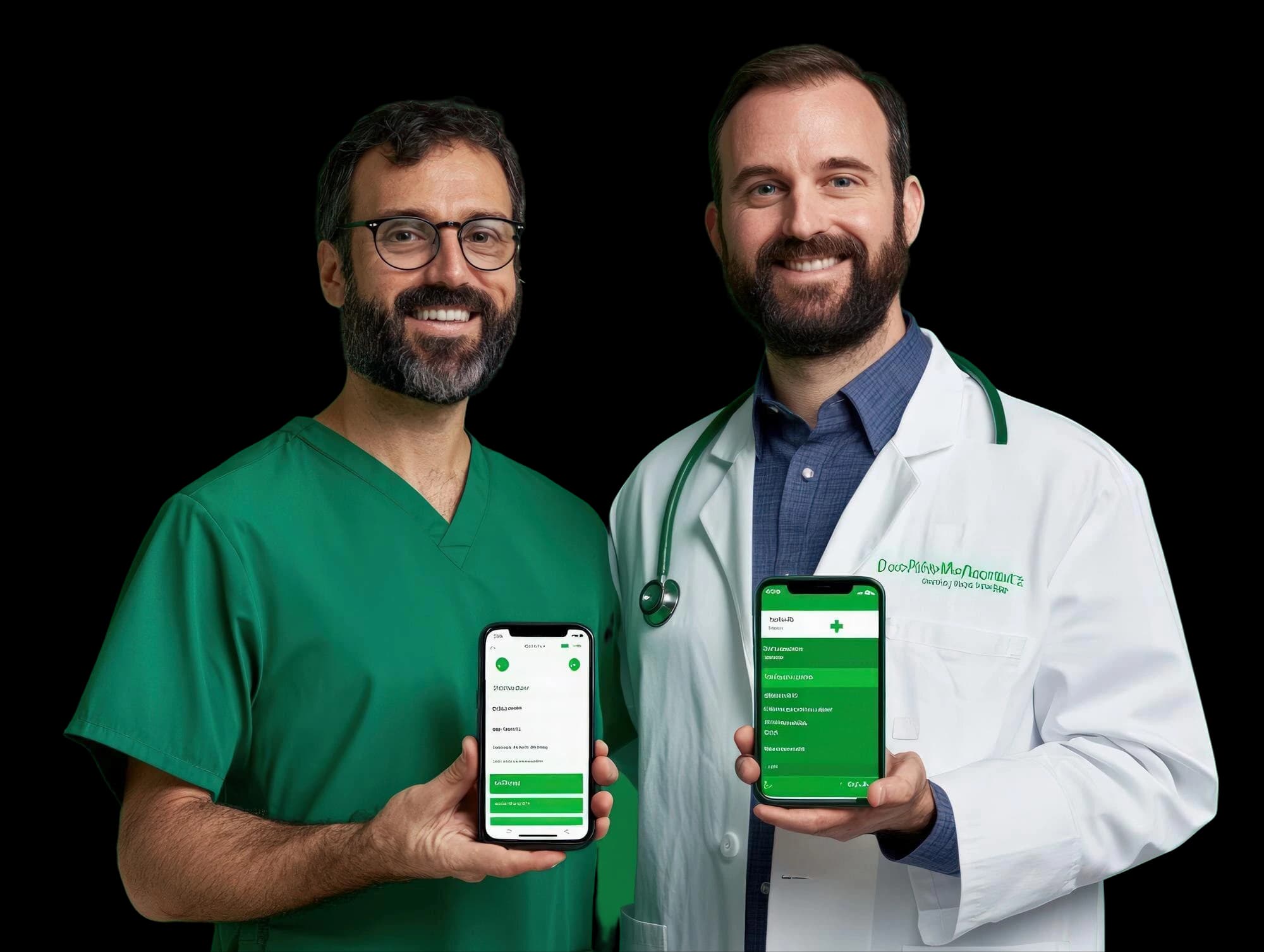

Why 2026 is a real inflection point for healthcare technology
Trust
Generative AI documentation is transforming healthcare, with ambient AI that listens to patient visits and drafts clinical notes helping reduce clinician burnout. However, accuracy, clinician review, and preventing AI hallucinations are critical. Every AI-generated note must include human oversight and a clear audit trail, as errors in healthcare can directly impact patient safety.
Standardization
Interoperability is now essential in healthcare. HL7 FHIR has become the standard for secure data exchange, and regulations increasingly require it. True success depends not just on being `FHIR-compatible`, but on delivering reliable, tested integrations with EHR systems like Epic or Oracle Health through SMART on FHIR.

What actually changes when you build for healthcare
PHI is safe by design
Protected health information has to be handled as a first-class concern: encryption everywhere, granular access control so a nurse sees their patients and not the whole system, immutable audit logs of who accessed what, and data minimization so you never hold more PHI than the feature needs. This is the same discipline we bring from building for audited, regulated clients — correctness and traceability beat cleverness when a wrong record has real consequences. In healthcare, that stance is the difference between a defensible system and a breach headline.
EHR integration that actually works
The value of most health software is unlocked only when it exchanges data with the systems of record. That means building to FHIR R4 resources (Patient, Observation, Encounter, MedicationRequest), launching in-context via SMART on FHIR where the workflow demands it, and — critically — testing against the real EHR's quirks, because implementations vary and the standard is looser in practice than on paper. A beautiful app that can't round-trip a patient record is a demo, not a product.
Clinically-grounded AI, never free-floating
Where AI belongs in healthcare, it has to be grounded in real clinical sources and kept on a leash. For anything knowledge-based — answering from clinical guidelines, summarizing a record, drafting patient education — the right pattern is retrieval-augmented generation that cites its sources, so a clinician can verify the basis of every statement, paired with a human-in-the-loop checkpoint for anything that touches care. That's the same retrieval-grounded approach we use for production AI chatbots: the model answers from your actual documents, not its training guesswork. We go deeper on the sector specifics in our take on generative AI in healthcare.
Reliability under real clinical conditions
Healthcare software is used at 3am, on a ward's patchy wifi, by someone who can't afford it to be down. That means designing for uptime, graceful degradation, and data integrity across handoffs — the same traceability-of-every-handoff stance that time- and compliance-sensitive healthcare logistics demands.
A straight word on healthcare case studies

A clearer way for clients to explore advisory services and investment solutions.
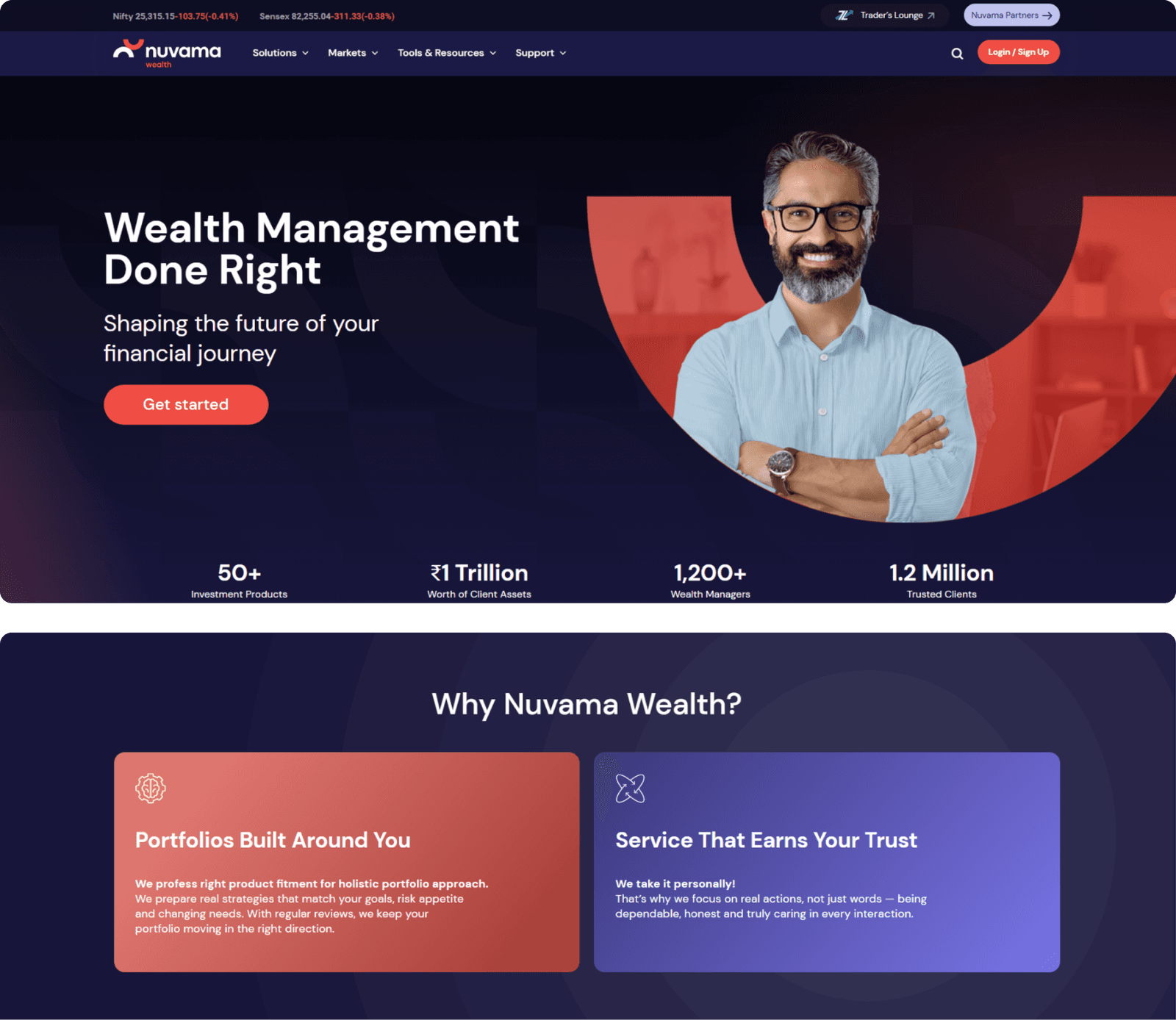
What we did for Nuvama Wealth
 Structured service architecture for advisory offerings
- Separate advisory and portfolio sections
- Research listings organised for quick scanning
- Clear adviser contact routes on every page
- Office network presented by region
- Responsive layouts across desktop and mobile

Presenting a full spend management and payments suite to Indian finance teams.
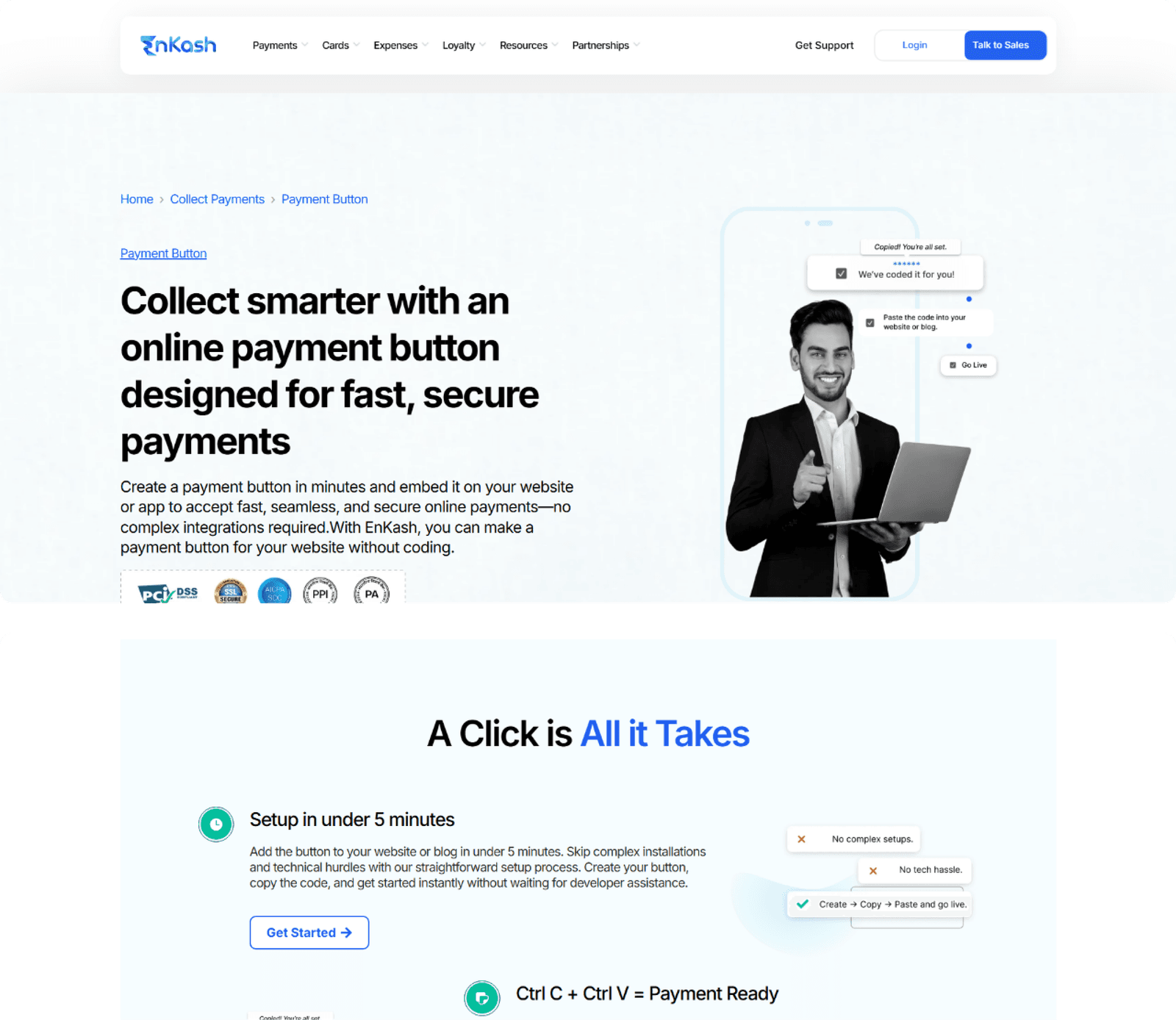
What we did for Enkash
- Product suite split into separate pages
- Solution routes organised by business role
- Corporate cards and expense pages structured clearly
- Payables and collections given dedicated sections
- Demo requests reachable from every screen
- Responsive layouts across desktop and mobile
Healthcare Solutions Built for Your Industry
Our generative AI development services are not one-size-fits-all. We build industry-specific solutions that account for the compliance requirements, data structures, user expectations, and competitive dynamics of your market.
Healthcare
Fintech & Banking
E-Commerce
Travel and Hospitality
Education and EdTech
Legal & Compliance
Logistics & Supply Chain
SaaS & Technology
Moonstack for Healthcare Innovation
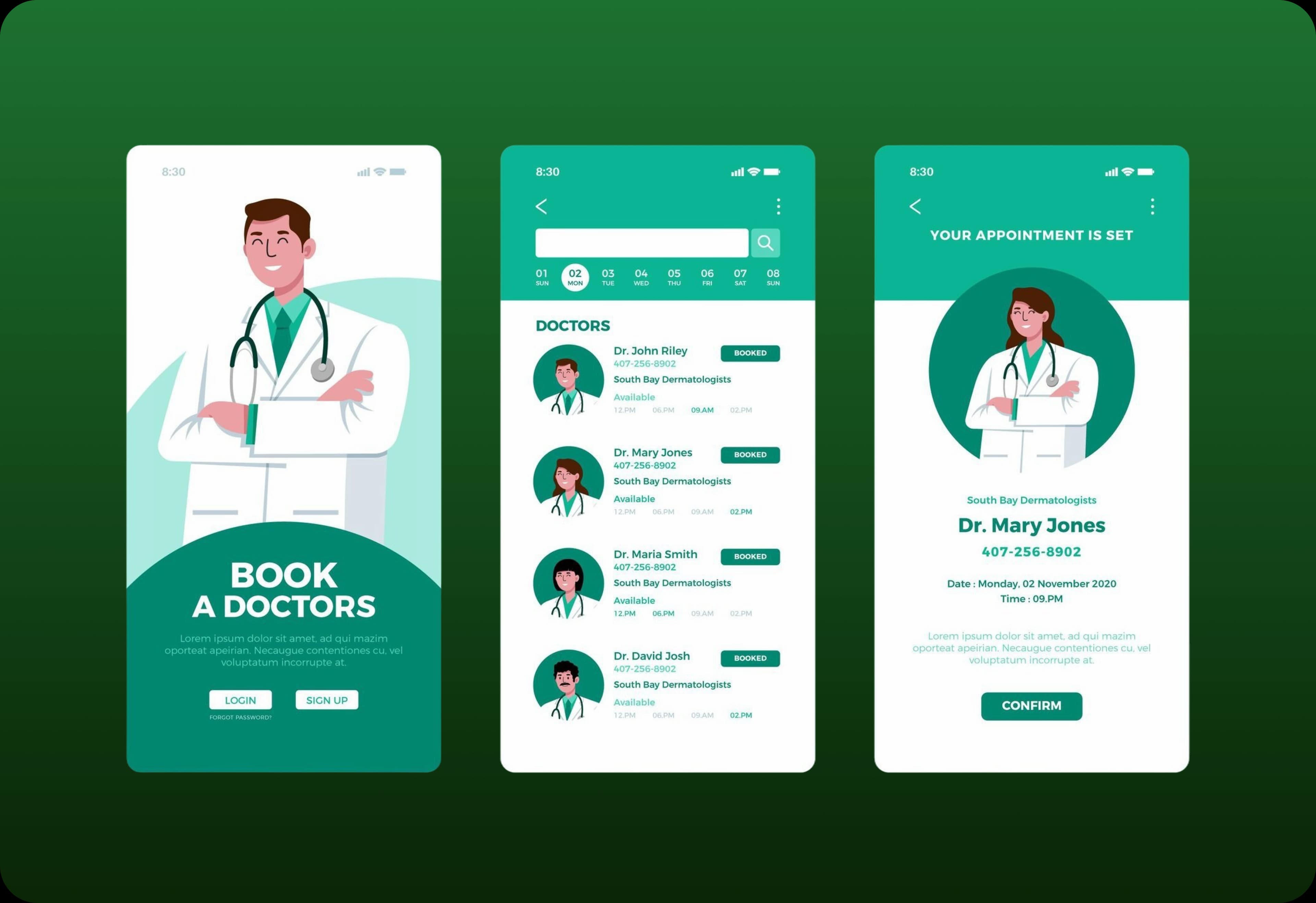
Our team combines deep healthcare domain expertise with cutting-edge mobile and AI technology to streamline medical workflows.
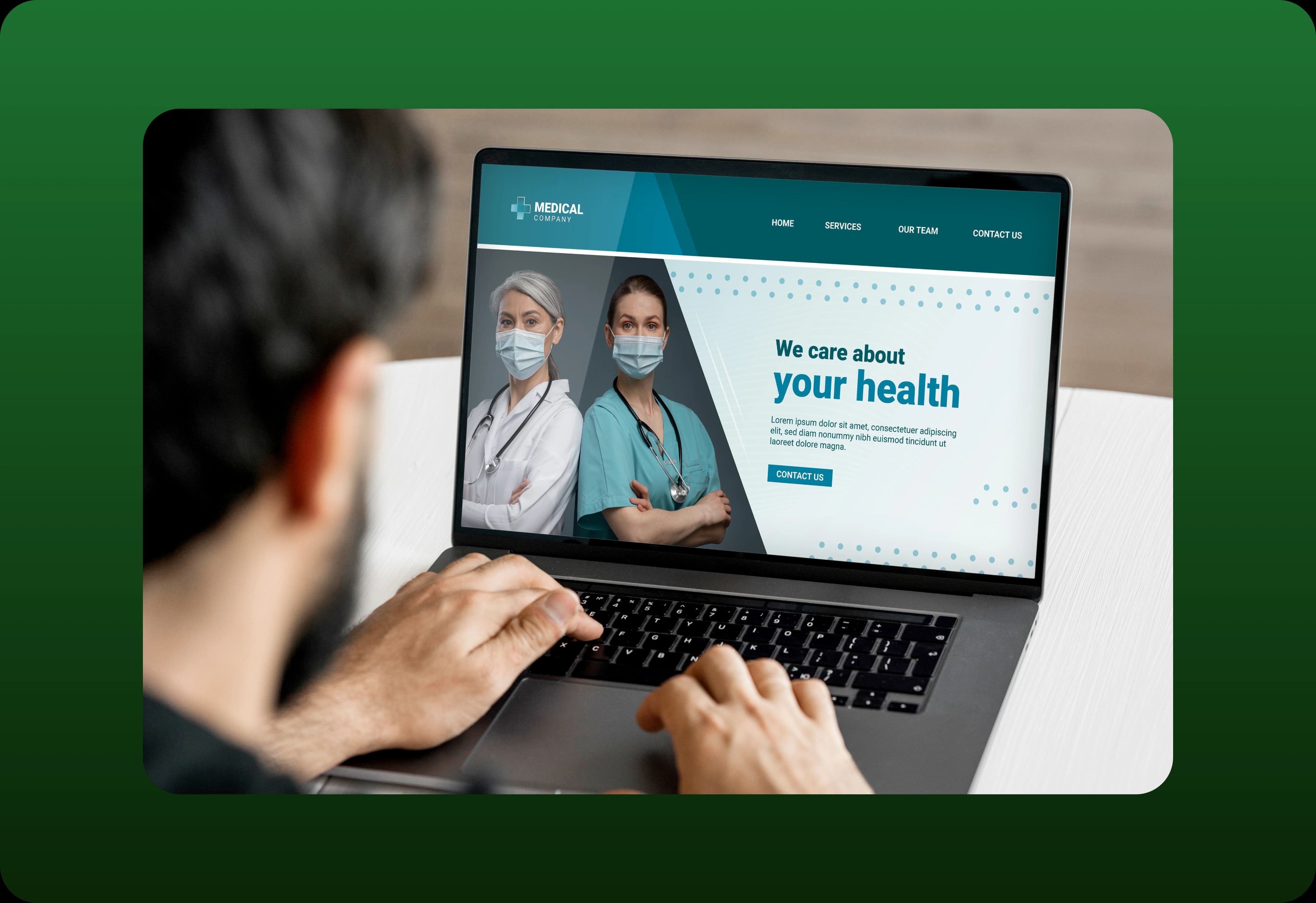

Talk to us about your healthcare project
- Share your healthcare software project requirements.
- Choose the right EHR integration strategy.
- Meet HIPAA, DPDP, or ABDM compliance requirements.
- Keep human oversight in critical AI workflows.
- Get a practical implementation and compliance roadmap.
Frequently Asked Questions.
Everything you need to know about our solutions