




Why 2026 is a reckoning for legal technology
Grounding
The first, and the one everyone in legal is now acutely aware of, is the hallucination reckoning. After a run of well-publicized incidents where lawyers filed briefs citing cases an AI simply invented — and got sanctioned for it — the profession learned the hard way that a general chatbot is unsafe for legal work. The 2026 expectation is unambiguous: legal AI has to be grounded, answering only from real authorities, citing its sources, and saying `I don't know` rather than confabulating. An ungrounded legal assistant isn't a productivity tool; it's a liability generator.
Automation
The second is regtech automation moving from nice-to-have to survival. Compliance obligations — KYC/AML, sanctions screening, privacy regimes, reporting — are growing faster than compliance headcount, so teams are automating document review, monitoring, and reporting. But automation in compliance carries the same burden as in law: every automated decision has to be explainable and defensible to a regulator, which means an audit trail is not optional infrastructure — it's the point.

What actually changes when a wrong answer is malpractice
Grounding, citations, and the freedom to refuse
The core pattern for any legal-knowledge feature is retrieval-augmented generation over your real corpus — the actual contracts, statutes, case law, and policies — where the model answers from retrieved passages and cites them, so a lawyer can click through to the source and verify. Critically, the system has to be built to say `I couldn't find support for this` instead of filling the gap with a plausible invention — the hardest and most important behavior to engineer. This is the retrieval-grounded approach behind production AI systems, applied where the stakes are highest. And note the corollary: fine-tuning a model on legal text is usually the wrong first move, because it bakes knowledge in without traceability and goes stale as law changes — grounding in a live, citable corpus beats it for exactly the reasons legal work demands.
Chunking that respects legal structure
Legal documents break the naive RAG pipeline worse than almost anything. Fixed-size chunks slice a clause from its defined terms, or a sub-section from the cross-reference that changes its meaning — and in law, that changed meaning is the whole ballgame. Real legal RAG chunks on document structure (clause, section, definition), preserves cross-references, and keeps enough context that a retrieved passage still means what it means in the full document. Get this wrong and the AI is confidently answering from half a contract.
Image-heavy pages that still load fast
Property is sold on photos, so listing pages are heavy by nature — the engineering is making them fast anyway: responsive images in modern formats, lazy-loading below the fold, a CDN, and a rendering strategy that gets the critical content on screen quickly. This is where the SEO and the conversion both live.
Human-in-the-loop by design, not as a disclaimer
Anything that gets filed, signed, or reported needs a human checkpoint built into the workflow — the AI drafts and surfaces sources, the professional decides. This isn't a limitation to apologize for; it's the design that makes the tool adoptable, because it keeps the licensed professional accountable and in control.
A straight word on legal compliance case studies

A clearer way for clients to explore advisory services and investment solutions.
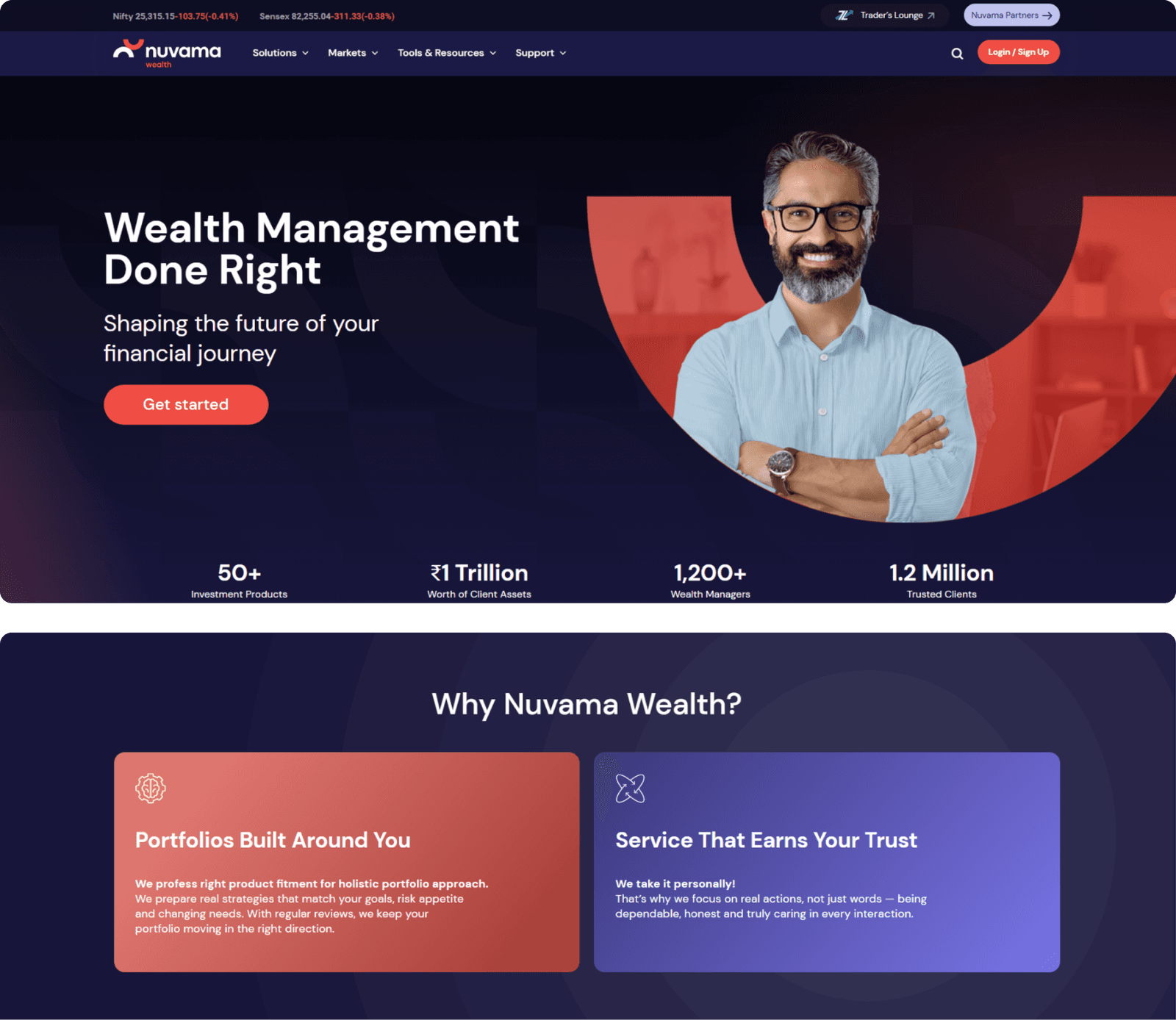
What we did for Nuvama Wealth
 Structured service architecture for advisory offerings
- Separate advisory and portfolio sections
- Research listings organised for quick scanning
- Clear adviser contact routes on every page
- Office network presented by region
- Responsive layouts across desktop and mobile

Presenting a full spend management and payments suite to Indian finance teams.
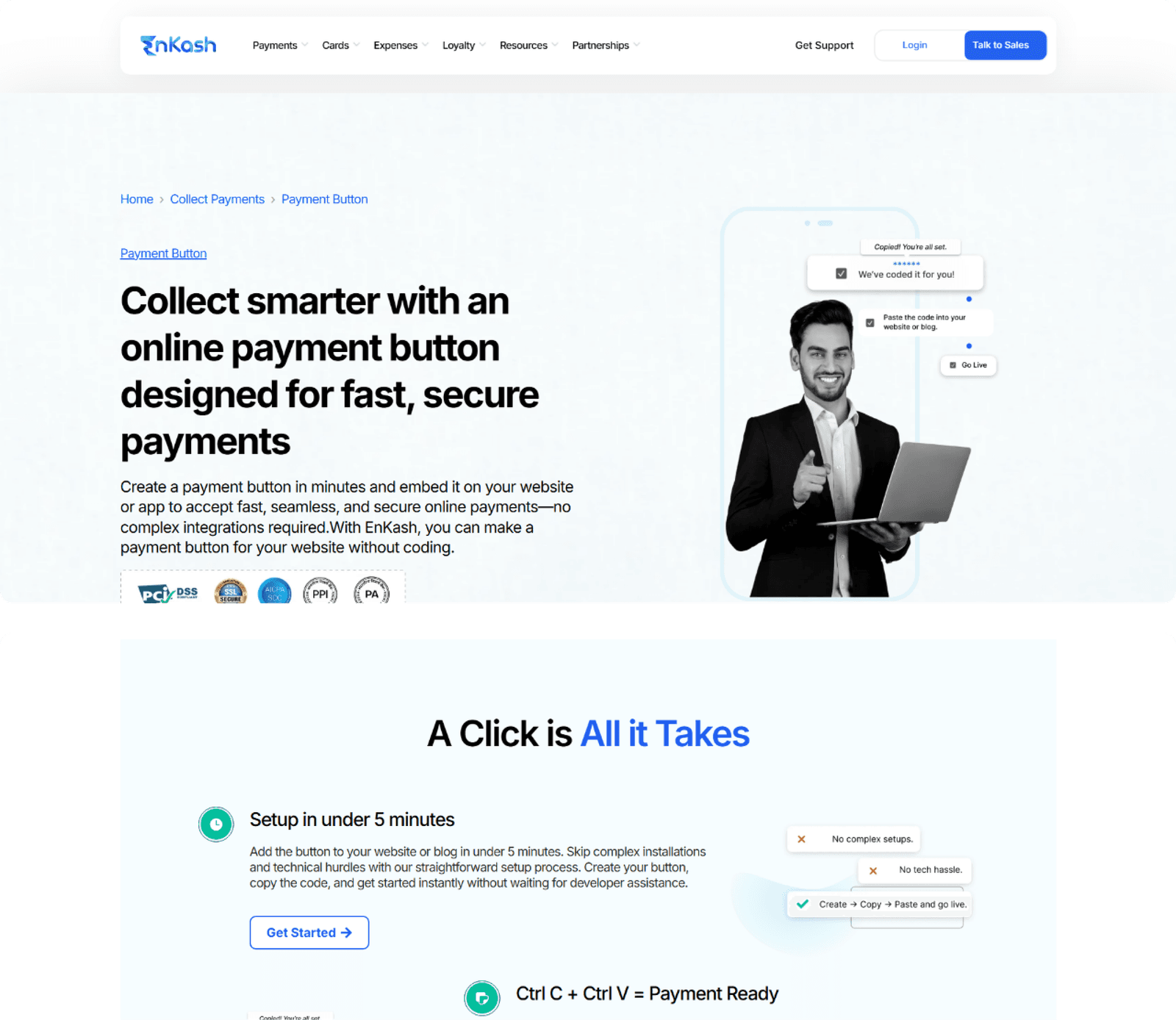
What we did for Enkash
- Product suite split into separate pages
- Solution routes organised by business role
- Corporate cards and expense pages structured clearly
- Payables and collections given dedicated sections
- Demo requests reachable from every screen
- Responsive layouts across desktop and mobile
Legal Compliance Solutions Built for Your Industry
Our generative AI development services are not one-size-fits-all. We build industry-specific solutions that account for the compliance requirements, data structures, user expectations, and competitive dynamics of your market.
Healthcare
E-Commerce
Travel and Hospitality
Education and EdTech
Logistics & Supply Chain
SaaS & Technology
How Moonstack approaches legal software development
For legal and compliance teams we focus on the AI-and-workflow layer where the value and the risk both concentrate, with the platforms and integrations around it. On AI, we build grounded assistants for contract review, legal research, and compliance monitoring — retrieval over your real corpus, citations on every claim, uncertainty handled honestly, and a human checkpoint on anything consequential. On the platform side, we build the contract-management, matter/case, and compliance-dashboard systems these tools live in — core web design and development work extended with privilege-safe data isolation, role-based access, and immutable audit logging. And where mobile matters — approvals, field compliance — we build to the same confidentiality standard.



Talk to us about your legal or compliance project
- AI grounded in trusted legal and regulatory sources
- Human oversight for critical legal and compliance decisions
- Secure handling of privileged and confidential data
- Explainable AI with complete audit trails
- Automated contract, compliance, and regulatory workflows
- Defensible AI solutions built for regulators and courts
- Custom legal technology strategy tailored to your business needs
Frequently Asked Questions.
Everything you need to know about our solutions