




Why 2026 is a real shift for property technology
Discovery
The first is AI changing how people find property. Buyers increasingly search in natural language — `three-bed near a good school under ₹1.2 crore with a balcony` — and expect the portal (or an AI assistant) to understand intent, not just match a dropdown. That's a shift from rigid filters to semantic search over your listings, plus generative tools that draft listing descriptions and answer buyer questions. But it only works if it's grounded in your real inventory: an assistant that invents an amenity or a price is a legal and trust problem, not a feature.
Integration
The second is that the integration is the business. A property platform is only as good as its listing data, and that data usually lives in an MLS via an IDX/RESO Web API feed, or in a CRM the agents already use. `Syncs with your MLS` on a brochure and a tested, deduplicated, always-fresh feed integration are very different amounts of work — stale or duplicated listings are the fastest way to lose a buyer's trust, and the second is where proptech projects succeed or quietly stall.

What actually changes when you build for real estate
Geospatial search that stays fast at scale
The heart of a property portal is map-and-filter search, and it gets slow the naive way fast. Real map search means a spatial database (PostGIS or equivalent) with proper geospatial indexing, marker clustering so a map with 20,000 pins doesn't choke the browser, and query design that returns `everything in this drawn polygon under this price` in milliseconds. Get this wrong and the core experience feels broken; get it right and it feels effortless.
Listing data that's always fresh and never duplicated
Integrating an IDX/RESO feed is a data-engineering job: normalize the incoming schema, deduplicate listings that appear across sources, handle updates and de-listings promptly, and keep images synced without ballooning storage. A listing that shows `available` after it sold, or the same property listed twice, erodes trust immediately — so reliable, idempotent feed processing is the unglamorous core of the whole thing.
Image-heavy pages that still load fast
Property is sold on photos, so listing pages are heavy by nature — the engineering is making them fast anyway: responsive images in modern formats, lazy-loading below the fold, a CDN, and a rendering strategy that gets the critical content on screen quickly. This is where the SEO and the conversion both live.
AI search and assistants grounded in real listings
Where AI helps — natural-language search, a buyer-facing assistant answering `what's the maintenance cost, is it pet-friendly` — it has to answer from your actual listing and document data, not guess. The right pattern is retrieval-augmented generation over your real inventory and policies, the retrieval-grounded approach behind production AI assistants, paired with the AI-agent-plus-CRM integration that routes a warm lead to the right agent automatically instead of letting it go cold.
A straight word on real estate case studies

A clearer way for clients to explore advisory services and investment solutions.

What we did for Nuvama Wealth
 Structured service architecture for advisory offerings
- Separate advisory and portfolio sections
- Research listings organised for quick scanning
- Clear adviser contact routes on every page
- Office network presented by region
- Responsive layouts across desktop and mobile

Presenting a full spend management and payments suite to Indian finance teams.
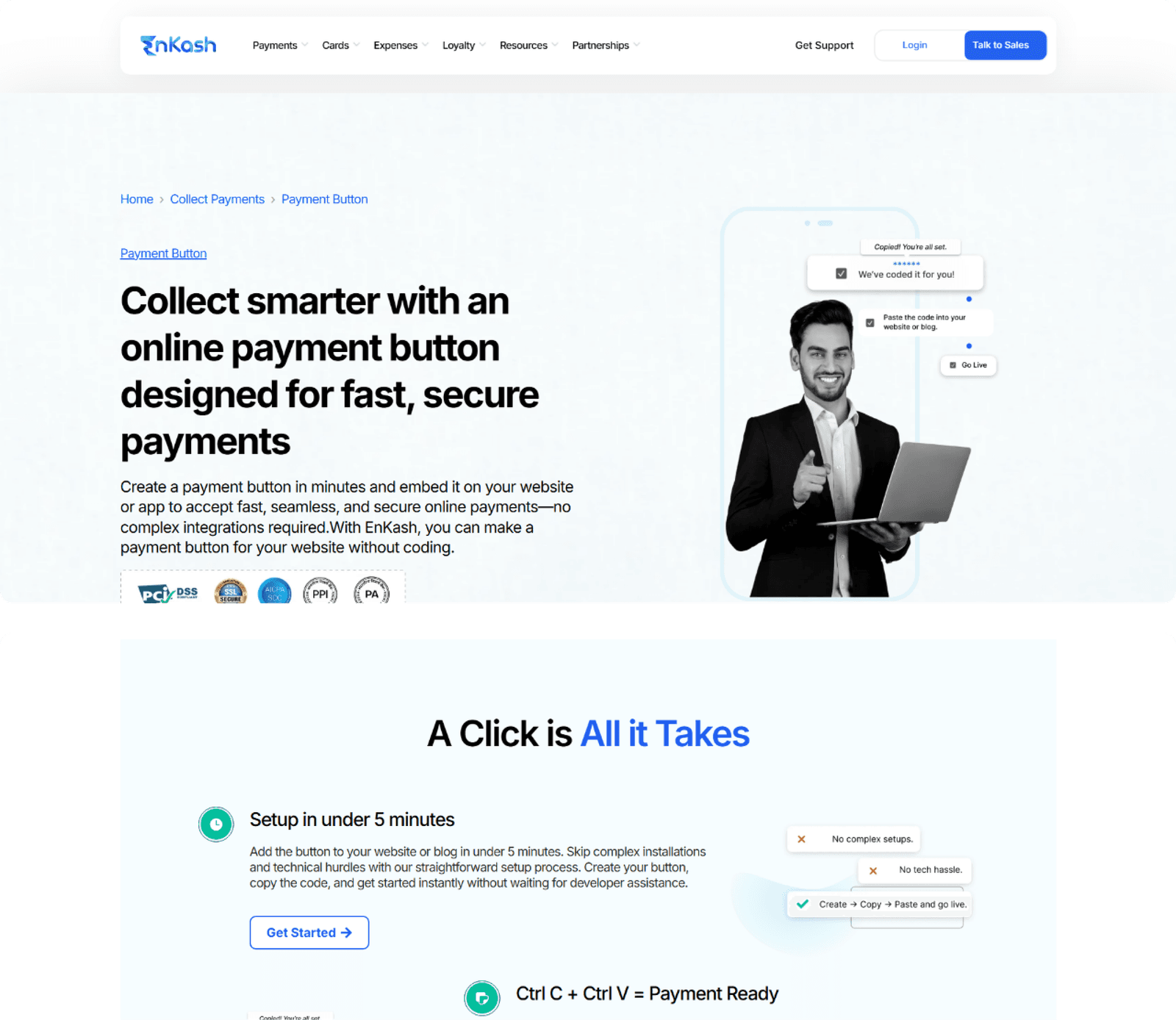
What we did for Enkash
- Product suite split into separate pages
- Solution routes organised by business role
- Corporate cards and expense pages structured clearly
- Payables and collections given dedicated sections
- Demo requests reachable from every screen
- Responsive layouts across desktop and mobile
Finance Solutions Built for Your Industry
Our generative AI development services are not one-size-fits-all. We build industry-specific solutions that account for the compliance requirements, data structures, user expectations, and competitive dynamics of your market.
Healthcare
E-Commerce
Travel and Hospitality
Education and EdTech
Legal & Compliance
Logistics & Supply Chain
SaaS & Technology
How Moonstack approaches real estate software development
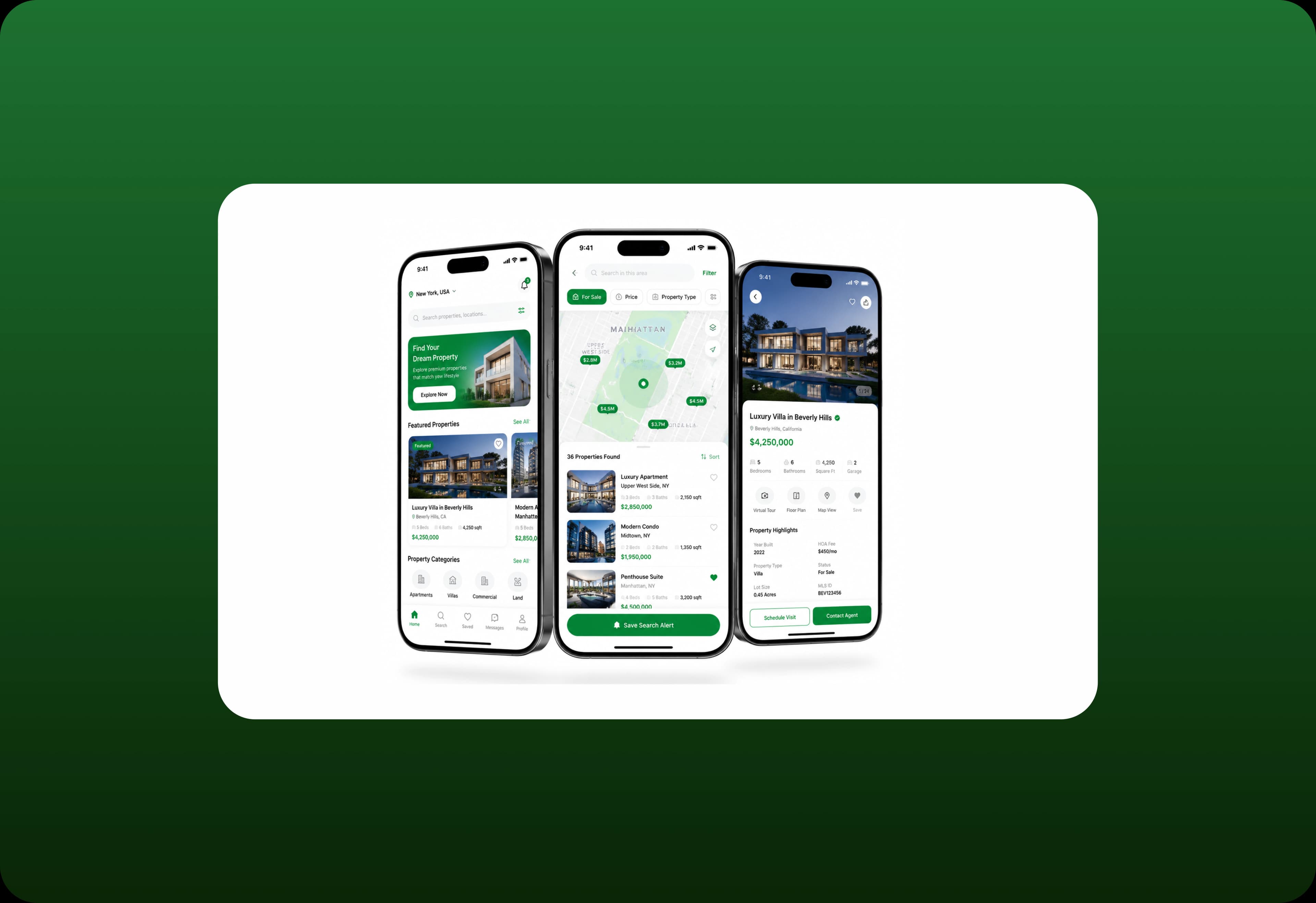
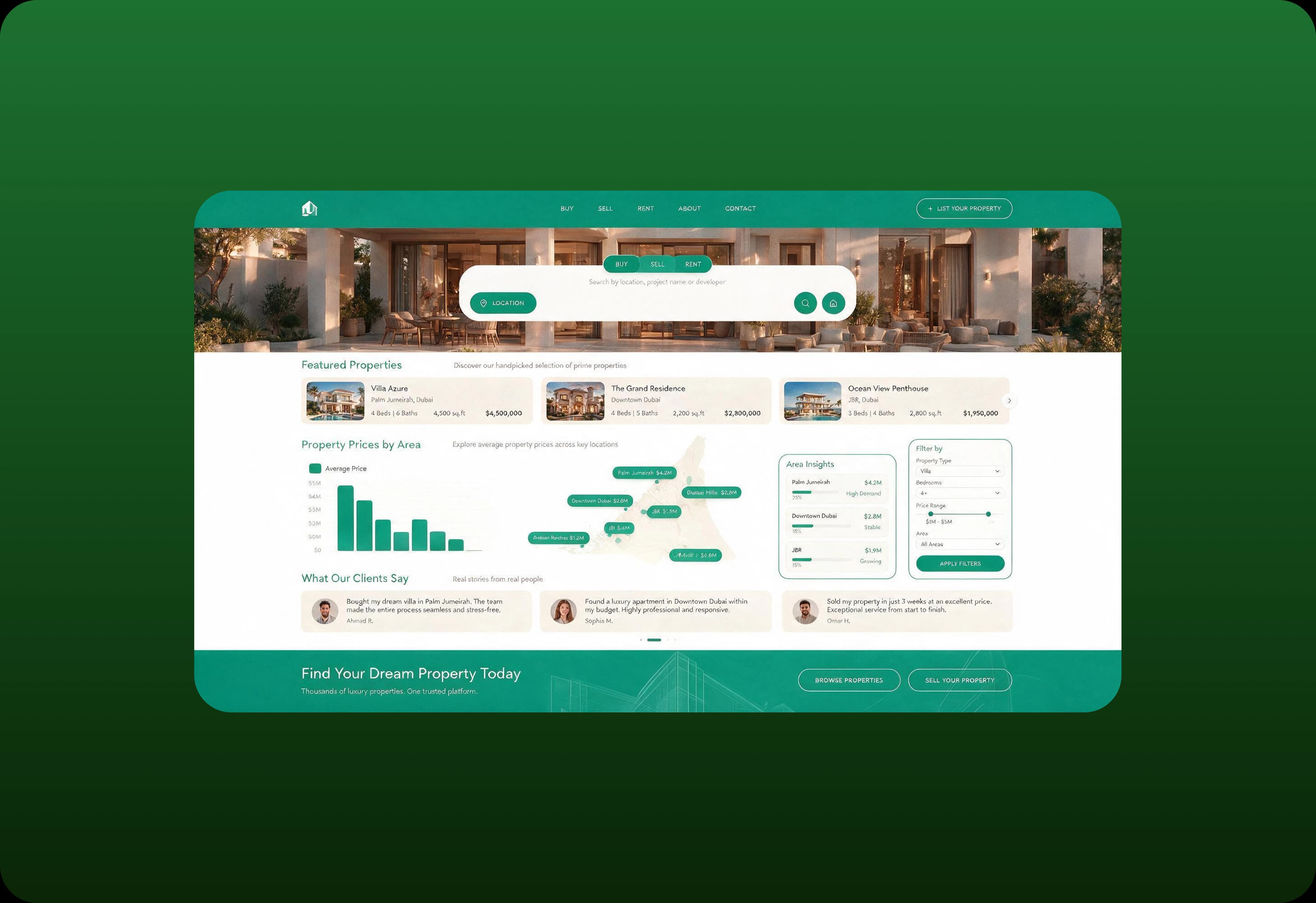
For real estate and proptech teams we focus on the portal and the discovery layer, with mobile as the natural extension. On the platform side, we build listing portals and property sites engineered for the three things that decide a property business: fast, search-optimized listing pages, snappy geospatial search, and reliable MLS/IDX and CRM integration. That's core web design and development work extended with the proptech non-negotiables — and when the need is a robust, content-and-image-rich public portal, that's our website development practice. On AI, we add natural-language search and buyer assistants grounded in your real listings. And on mobile, we build property-search and agent apps (one React Native codebase across iOS and Android) that carry the same fast search and fresh data the web relies on.

Talk to us about your healthcare project
- Build a modern listings portal.
- Upgrade brokerage technology.
- Add AI-powered property search.
- Integrate MLS/IDX and CRM.
- Enable fast property search.
- Improve SEO and visibility.
- Increase leads and conversions.
- Launch with a clear growth plan.
Frequently Asked Questions.
Everything you need to know about our solutions